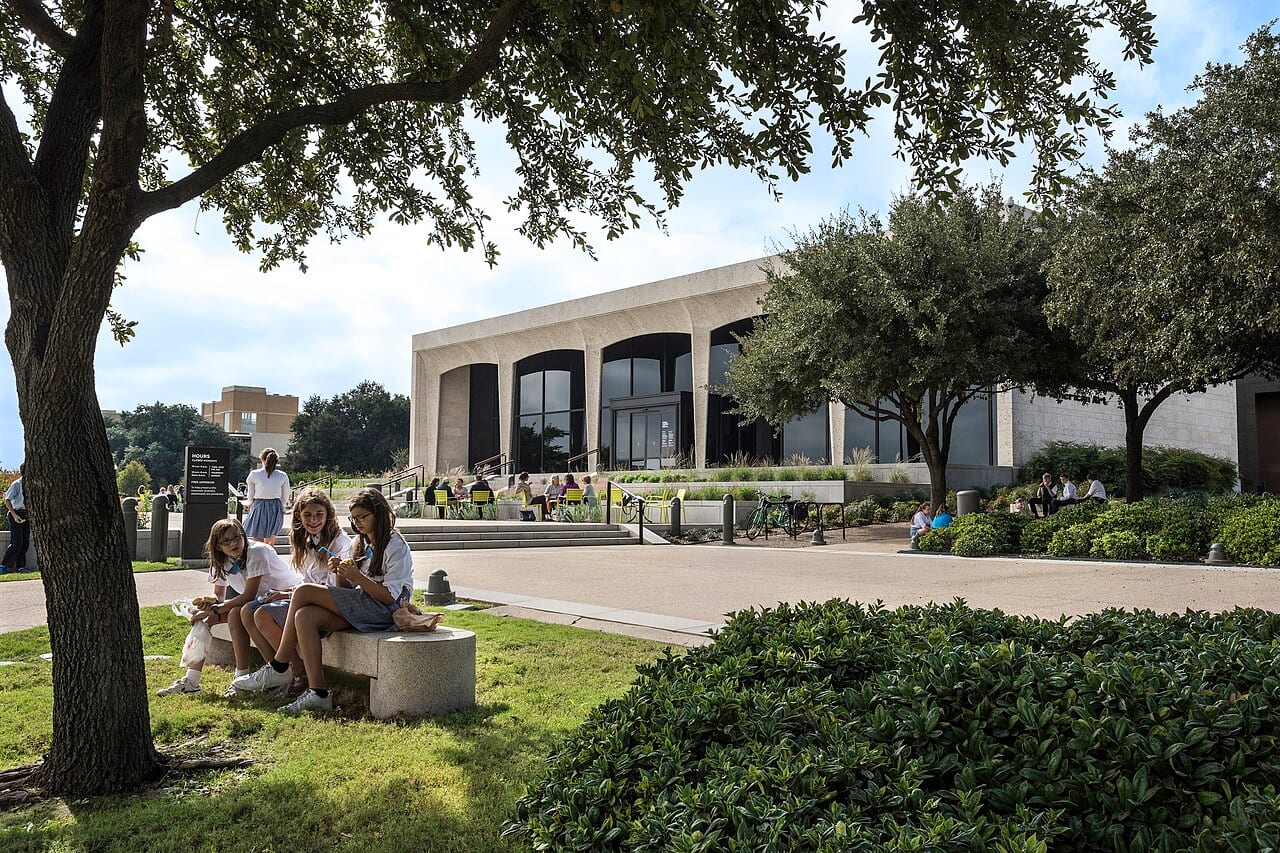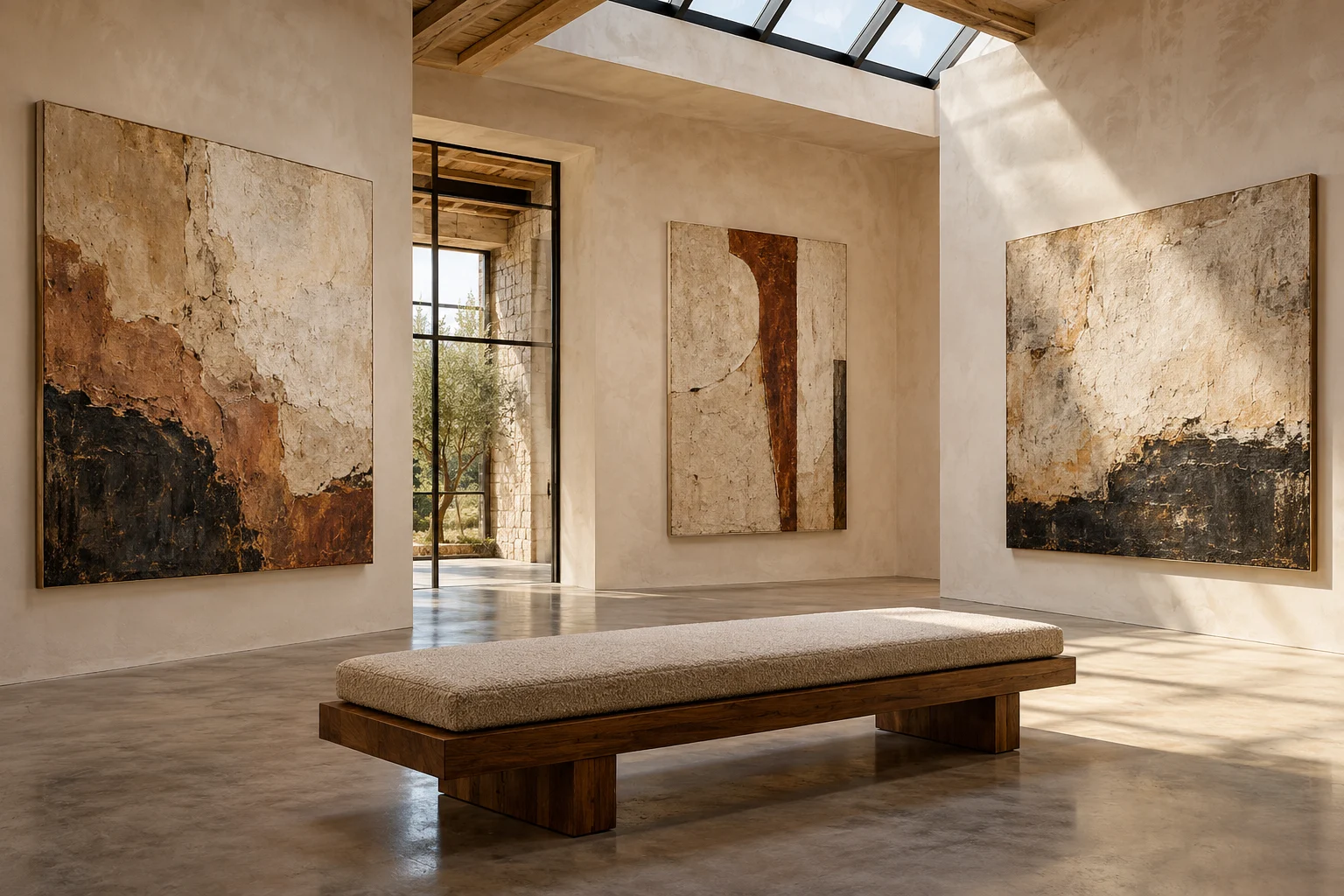
A sudden encounter with a local mural, a specific textile pattern in a small boutique, or a particular melody in a courtyard can shift the entire mood of an afternoon. These moments of cultural discovery often arrive unannounced, leaving a lingering sense of interest that is difficult to pin down once the sun sets and the day's momentum slows.
The Anatomy of a Memory
To make these discoveries useful for future reference, the goal is to move beyond a simple photograph. A picture captures the light and the colors, but it rarely captures the context that made the experience resonate. When you find something that strikes a chord, attempt to document the three pillars of the encounter: the work itself, the creator, and the source of your information.
Recording the name of the artist or the specific origin of a craft provides the foundation. However, the most vital component is the personal connection. Ask yourself why this specific detail caught your eye. Was it the way the texture felt under your hand, or perhaps the way the colors interacted with the local landscape? Writing down your immediate emotional or intellectual reaction ensures that the 'why' is preserved alongside the 'what.'
Navigating Group Decisions
Cultural outings often involve a group, which introduces the challenge of shared priorities. In a group setting, the tension between seeing everything and experiencing something deeply becomes apparent. You must decide as a collective what remains essential and what can be left as an optional detour.
For example, if a group is touring a historic district, one person might be captivated by the architectural nuances of a single porch, while another is focused on the broader timeline of the neighborhood. The tradeoff involves time and attention. If you spend forty minutes discussing the history of one specific building, you may have to bypass the next three sites on your list. To manage this, establish early on whether the goal is a broad survey or a deep dive into selected highlights. If a particular site feels optional, agree to note its location and move on, rather than letting a lack of consensus stall the entire itinerary.
Leaving a Trail for Yourself
A discovery is only as useful as your ability to revisit it. Instead of a static note, leave yourself a specific, open-ended question that invites future investigation. This transforms a closed observation into an active inquiry.
Rather than writing "beautiful blue pottery," try recording "How does the cobalt glaze on this specific vessel relate to the regional traditions mentioned by the shopkeeper?" This creates a mental hook. When you look back at your notes weeks or months later, that question provides a direct path back to the curiosity that drove you in the first place. By documenting the creator, your personal resonance, and a targeted question, you ensure that a fleeting moment of inspiration becomes a permanent part of your cultural landscape.