A museum ticket often feels like a promise to see everything. The floor maps suggest a grand circuit, a sweeping journey through history and color that demands hours of walking. Yet, the most resonant experiences often come not from the breadth of the collection, but from the depth of a single encounter.
The Weight of a Divided Schedule
For many, the decision to visit a gallery is complicated by a life lived in two places. If you maintain two households, your time is rarely a single, uninterrupted block. You may find yourself navigating different neighborhoods, different routines, and different sets of responsibilities depending on which door you unlock at the end of the day. When your week is partitioned between two homes, a trip to a cultural institution becomes a logistical calculation rather than a simple outing.
For example, if you have a Tuesday at one residence and a Thursday at another, you might feel pressured to squeeze a full museum tour into a single, frantic afternoon. This pressure to "get your money's worth" can turn a moment of reflection into a race against the clock. The tradeoff is clear: you can attempt to see every wing of the building and leave feeling vaguely familiar with much, or you can select one specific exhibition and allow yourself the luxury of stillness.
Observing the Small Details
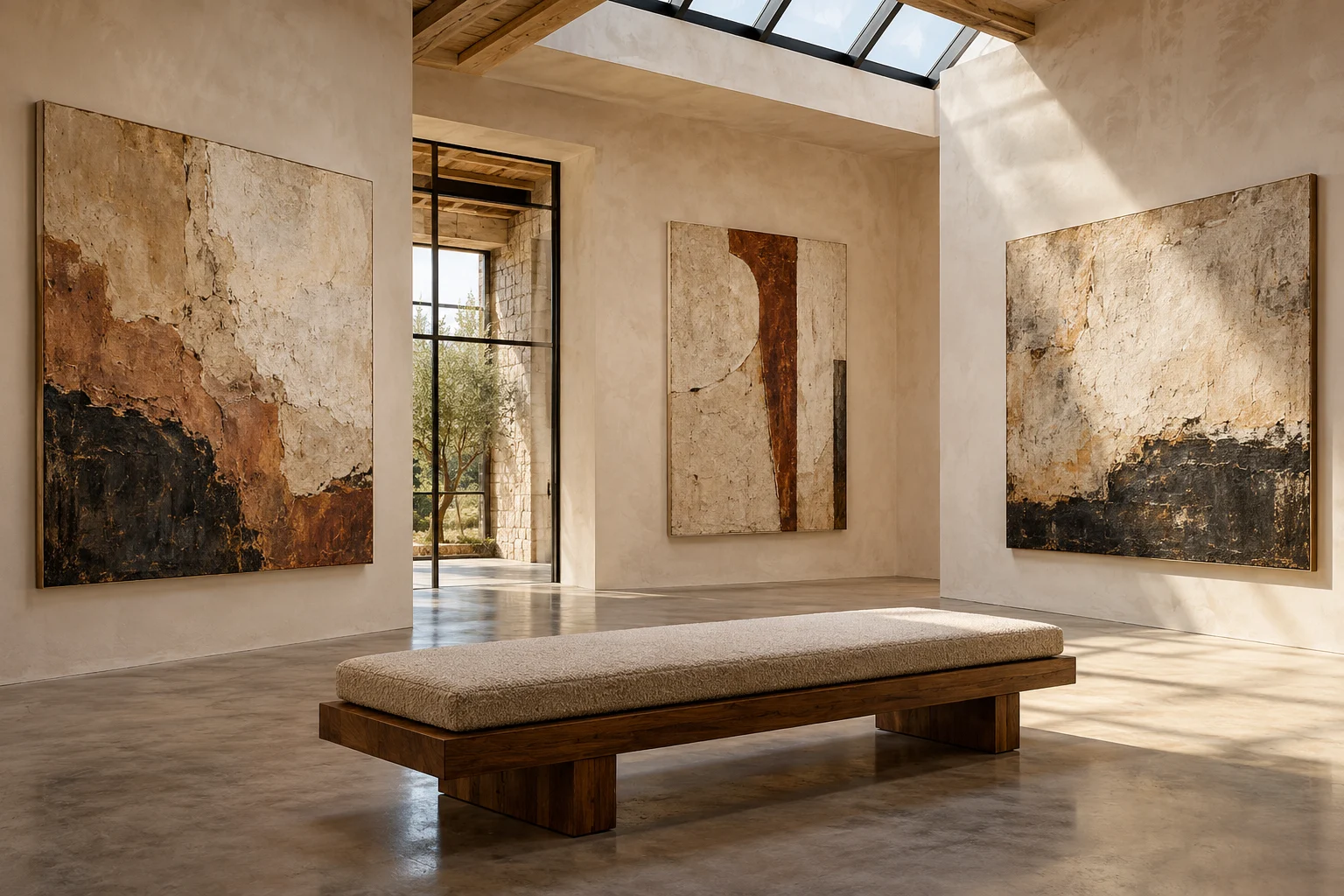
Choosing one exhibition allows your eyes to settle on the textures that a hurried pace misses. Instead of scanning a room for the "greatest hits," notice how the light hits a specific surface or how the scale of a single piece changes as you move around it. Look for the way a color shifts when viewed from an angle, or how the silence of a particular corner feels compared to the main thoroughfare.
When you are not rushing to the next hall, you can observe the way other visitors interact with the work. You might notice a person standing motionless before a painting for ten minutes, or a group whispering about a sculpture's shadow. These small, human observations become part of the atmosphere, grounding the art in the present moment.
Managing the Visit
Before you arrive, check the venue's current schedule to see which specific exhibitions are currently on view. Rather than looking at the entire map, pick the one that catches your eye and commit to it. If you find yourself feeling the urge to move on to the next room, ask yourself if you have truly finished with the current one.
If you are visiting with others, consider how much time you want to spend in communal discussion versus quiet observation. You might decide to spend twenty minutes looking in silence, followed by a period of conversation. By narrowing your focus, you transform a checklist of sights into a meaningful period of rest that fits into the complexities of a dual-household life.