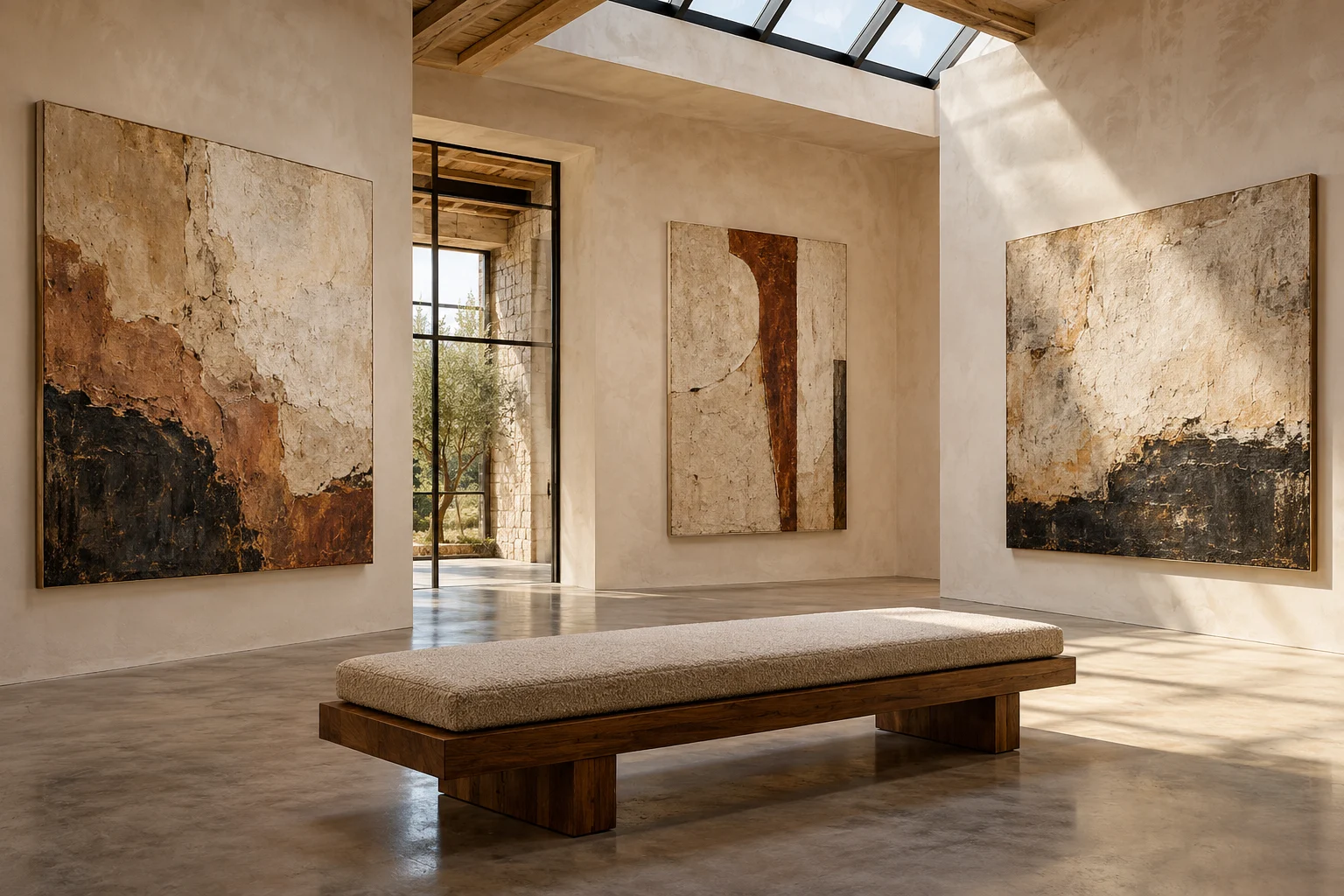
A small, quiet room filled with artifacts often feels like a collection of disconnected fragments. You might find a rusted tool sitting near a faded photograph, with no obvious reason for their proximity. However, the most engaging way to experience these spaces is to look for the thread that binds them together.
The Art of the Personal Theme
Rather than attempting to absorb every label in a single pass, try selecting a personal theme to guide your movement through the room. This might be a specific material, such as iron or wood, or perhaps a recurring human action, like harvesting or sewing. By narrowing your focus, the collection begins to transform from a series of random items into a coherent story. Instead of seeing a dozen separate objects, you begin to see the evolution of a single craft or the changing nature of a specific tool over several decades.
For example, if you decide to follow the history of textiles, you might notice how the texture of a fabric changes from heavy, hand-spun wool to lighter, machine-made cotton. This focus allows you to observe the subtle shifts in quality and utility that a general glance would likely miss.
Noting What Is Known and Unknown
As you move through the space, pay close attention to the information provided by the curators. A meaningful way to engage with the exhibits is to record each object’s stated history while remaining mindful of the gaps. Write down what the placards explicitly tell you about an item's origin or use. Simultaneously, make a mental or physical note of the uncertain details. If a label mentions a period but lacks a specific year, or if a tool is described as 'likely used for farming' without specifying the crop, mark those as the mysteries of the collection.
This distinction between fact and speculation prevents you from constructing false narratives. It allows you to appreciate the clarity of the historical record while respecting the silence where information has been lost to time.
The Weight of Postponed Decisions
Returning to a place after a long delay brings a different perspective than a first visit. You may find yourself standing before a specific display that you intended to examine months or even years ago, only to have life intervene. This delay creates a unique tradeoff: you lose the immediate, unburdened curiosity of a newcomer, but you gain the ability to compare your current understanding with your previous impressions.
Imagine you once walked through this gallery with the intent of understanding local agricultural tools, but a sudden change in schedule forced you to leave before you could finish. Returning now, you are no longer just looking at objects; you are completing a task. The tension between the desire to see everything and the discipline to follow your chosen theme becomes more pronounced. You must decide whether to chase the old goal or allow your new, matured interest to dictate your path. The best way to navigate this is to lean into the specific theme you have chosen today, treating the collection not as a checklist to be completed, but as a conversation to be joined.