A single photograph acts as a window into a moment, but the view changes depending on where that window is placed. Whether you are selecting a print for a gallery wall or deciding which digital files to send to family, the choice is rarely about finding a single aesthetic standard. Instead, it is about deciding which version of a memory serves the specific purpose of the moment. A photograph is not just a record of what happened; it is a tool for how you want a space or a conversation to feel.
The tension of the visual narrative
Every image carries an inherent context that dictates its impact. A candid shot taken during a private celebration captures a raw, unscripted emotion, while a posed portrait offers a sense of order and intentionality. When you look at a collection of your own photos, notice the tension between these two styles. One might prioritize the feeling of a room, while the other prioritizes the clarity of the subjects. There is no objective rule for what makes a photograph successful; a blurry movement shot may hold more sentimental value than a sharp, sterile landscape because it captures the energy of a specific second.
Balancing two different atmospheres
This decision becomes more complex when you are managing visual arrangements across two different households. You face a meaningful tradeoff between consistency and variety. You might choose to display a cohesive set of landscapes in one house to create a sense of calm, while opting for a rotating collection of lively family snapshots in the other to spark conversation. This requires you to consider how the presence of certain images might influence the atmosphere of each unique environment.
For example, if you are coordinating decor or shared digital albums between a primary residence and a secondary home, you must decide whether to use the same set of images in both locations or to select different subsets that reflect the unique atmosphere of each space. Using the same images provides a sense of continuity and a shared identity across your properties, but selecting different photos allows each home to tell a distinct chapter of your history. The tradeoff is between the comfort of familiarity and the interest of discovery.
Considering scale and light
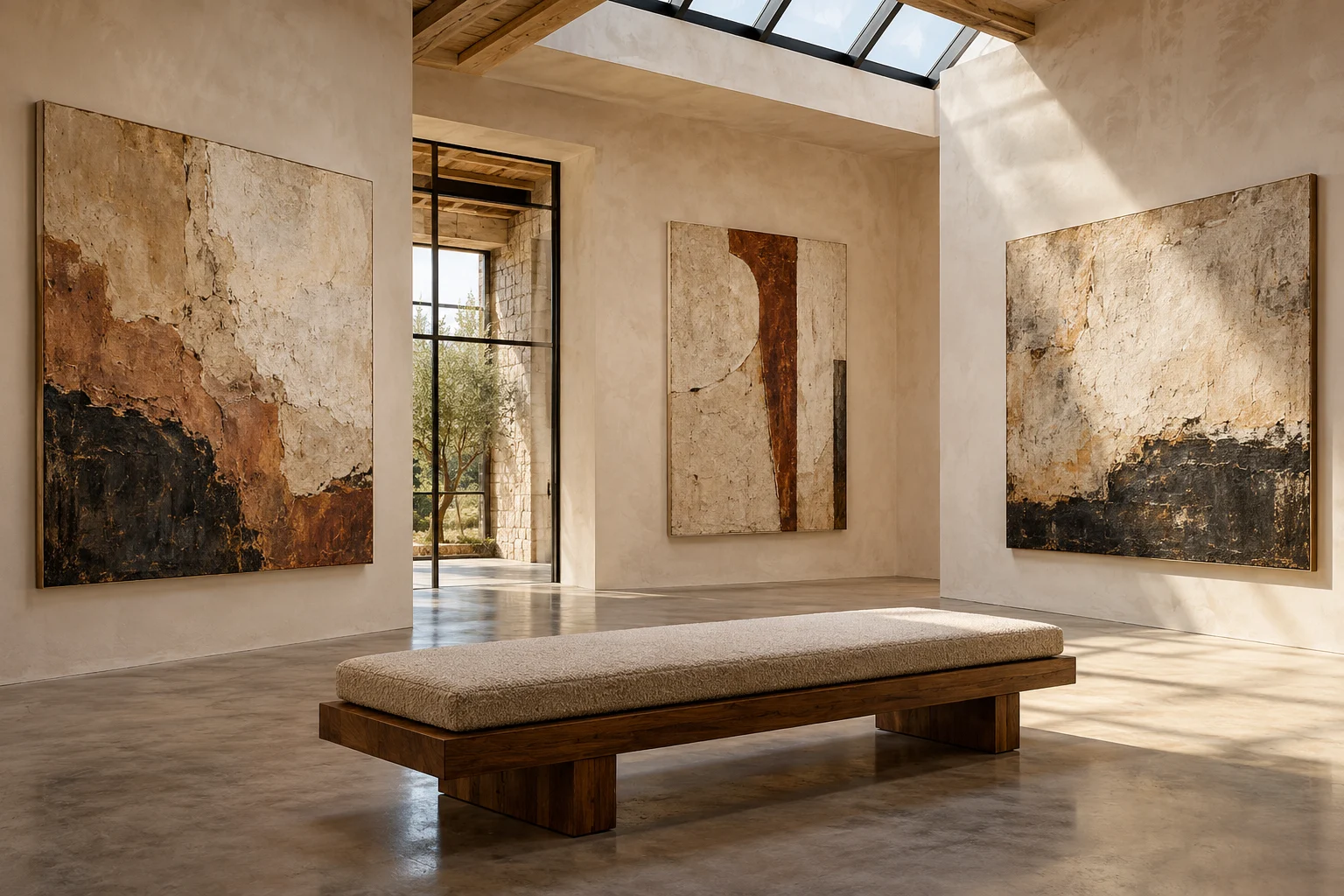
Before committing to a large print order or a permanent display, observe how the lighting and scale of a room affect your perception of an image. A photograph that looks vibrant on a backlit phone screen may appear muted when printed on matte paper and placed in a dimly lit hallway. Ask yourself how the intended use of the photograph aligns with its subject matter. If you are working with a professional printer, ask how different paper textures or digital resolutions will impact the mood of the scene you have chosen to preserve.
To resolve the choice, look closely at the specific environment where the photograph will live. Determine if the image is meant to act as a quiet backdrop or a central focal point. By weighing the emotional intent against the physical setting, you can select images that honor the memory without forcing a single aesthetic onto your diverse living spaces.