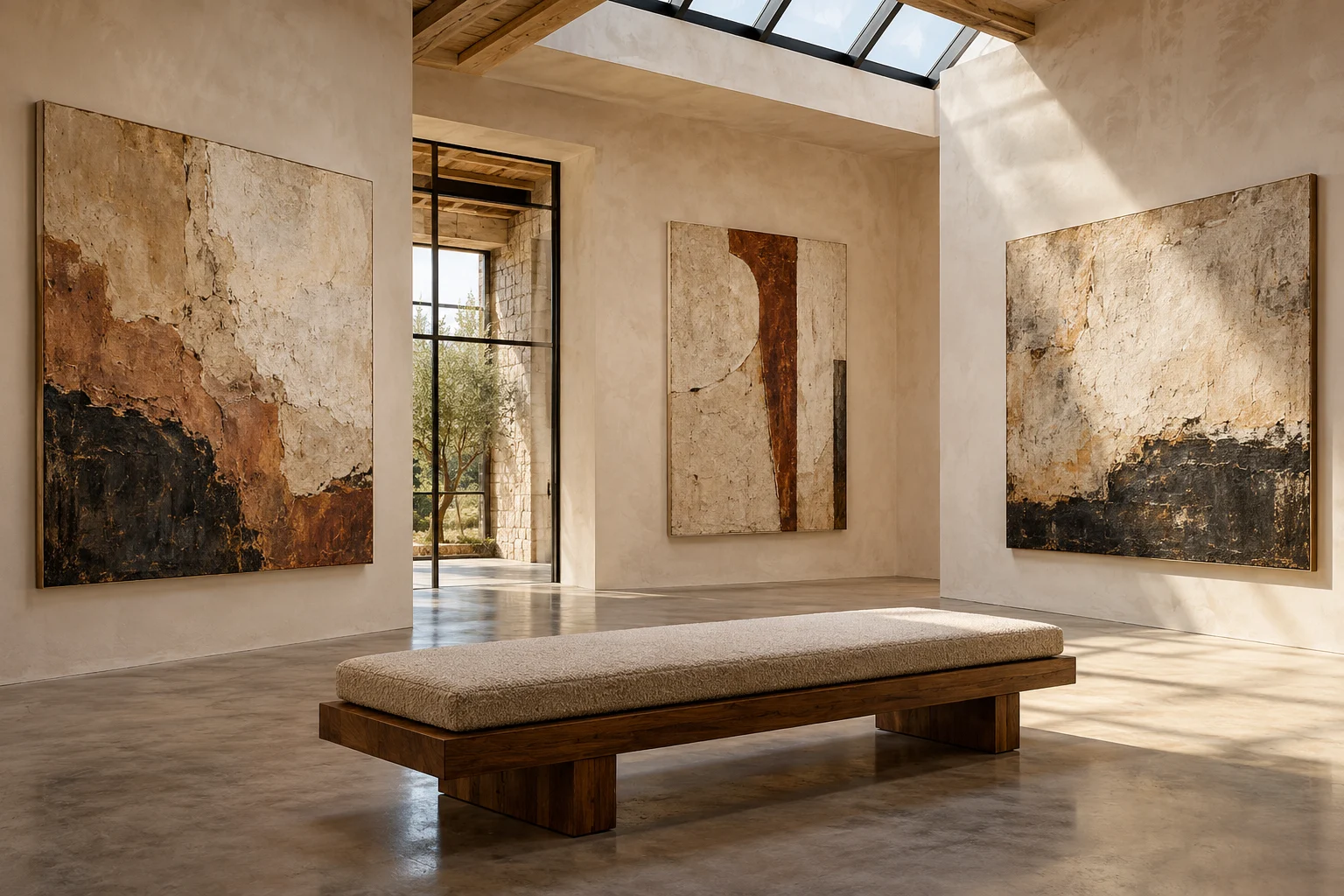
Selecting a creative workshop for a group often begins with an appealing photograph of finished pottery, a vibrant painting, or a complex textile piece. The desire to spend an afternoon engaged in something tactile is a powerful motivator, but the transition from admiring an image to participating in the activity requires a clear understanding of what the session actually entails.
Defining the Activity
The description of a workshop can sometimes be broad. A session labeled as "introductory" might imply a gentle exploration of a medium, or it might involve a fast-paced technical demonstration. When organizing for a group, the primary tradeoff involves choosing between a structured lesson with a specific end product and a more fluid, experimental session where the outcome is less certain. To navigate this, ask the instructor what the specific focus of the session is and what the participants will actually be doing with their hands during the allotted time.
For example, if a group is looking for a relaxing afternoon, a high-intensity session requiring precision might feel more like labor than leisure. You might ask if the session is designed for beginners or if it assumes a certain level of prior familiarity with the tools. Understanding the rhythm of the class helps prevent the frustration that arises when a group’s energy level does not match the instructor’s pace.
Materials and Participation
Once the nature of the work is clear, the focus shifts to the physical requirements of the day. Creative endeavors often involve a variety of supplies, and it is important to know exactly what is provided and what is expected of the attendees. Ask the organizer which materials are included in the booking fee and if there are any specific items participants should bring themselves. This prevents a situation where a member of the group arrives unprepared for the scale of the project.
Participation expectations also extend to the physical environment. Some workshops require standing for long periods, while others involve seated work at small stations. Ask about the accessibility of the venue and the workspace to ensure everyone in your group can engage comfortably. If the activity involves specific cleanup requirements, inquire about how that is managed and if participants should prepare for certain types of mess.
Managing Group Dynamics
When a group is deciding which elements of an outing are mandatory and which can be left optional, the logistics of the venue become central. You may want to know if there is flexibility for individuals to opt out of certain components of the workshop, such as a communal meal or a specific part of the technical instruction, without affecting the rest of the group. Ask how the venue handles staggered arrivals or early departures, and whether the space can accommodate different levels of engagement within a single booking.
Resolving these questions before the booking is finalized allows the group to focus on the creative process rather than the logistics of the room. By asking about the activity, the materials, and the expectations for participation, you ensure the outing serves the purpose your group intended.