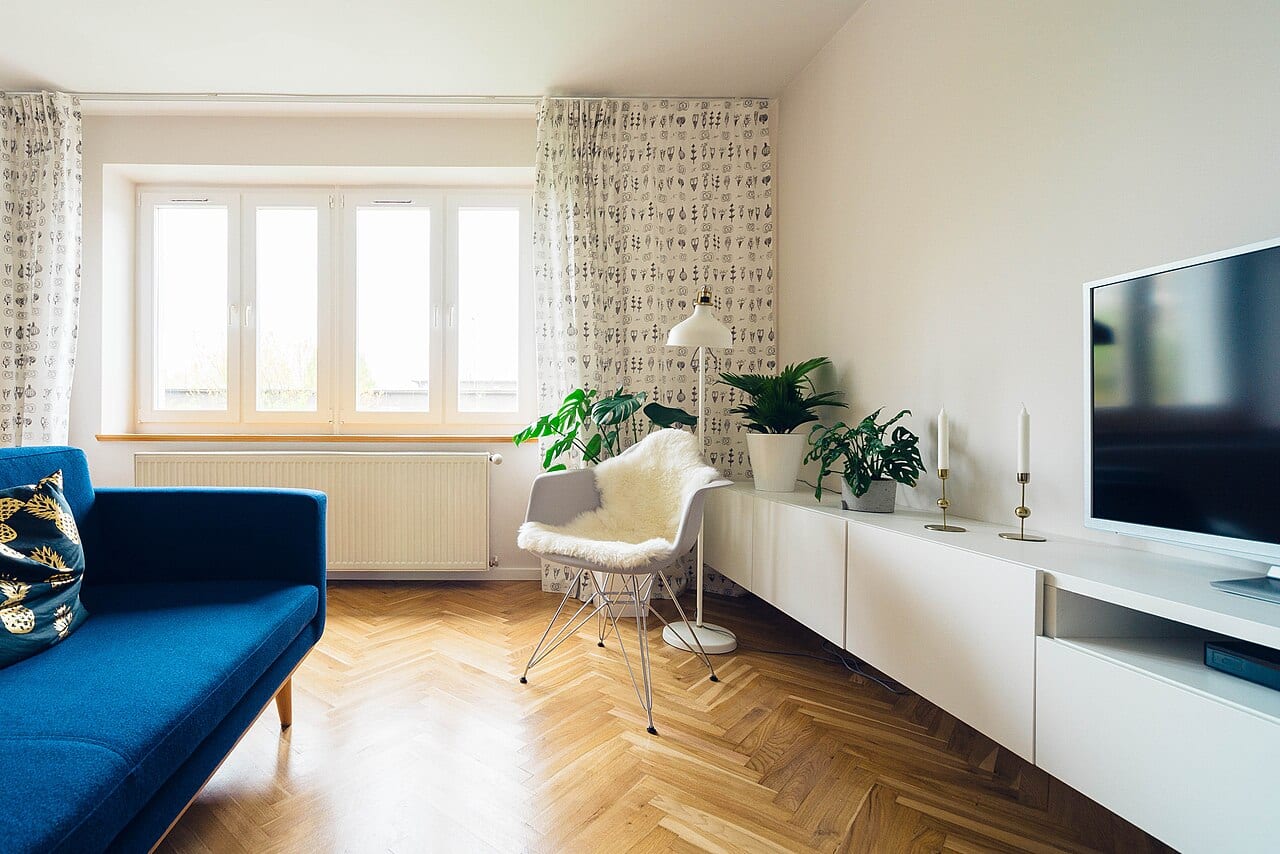
A quiet corner is more than just an empty square of floor space between a bookshelf and a window. It is a site of specific intentions, whether that means reading a long-form essay, managing a morning routine, or simply watching the afternoon shadows stretch across the floor. Finding the right spot requires more than choosing a comfortable chair; it requires observing how a space responds to the actual life lived within it.
The Rhythm of the Room
To find a functional retreat, one must watch the room at different intervals. A corner that feels bright and energizing at ten in the morning may become a dark, heavy pocket by four in the afternoon. Notice how the light hits the surfaces and whether that brightness serves your purpose or creates a glare on a screen.
Pay attention to the interruptions that occur during your most important personal hours. For some, a corner near the kitchen might offer a sense of connection, but it also brings the sudden clatter of dishes or the hum of a refrigerator. For others, a corner near a hallway might feel too exposed to the movement of people passing by. Observe these patterns for a few days to see which distractions are manageable and which ones break your focus entirely.
The Tradeoff of Permanence
When deciding on a dedicated space, there is a meaningful tradeoff between a fixed, curated setup and a flexible, movable one. A permanent nook with a heavy armchair and a side table offers a sense of stability and ritual. However, it also claims a specific footprint that cannot be reclaimed if your needs change.
For example, if you decide to set up a reading corner in the middle of the living room, you gain immediate access to the center of the home, but you may find that the space feels cluttered when guests arrive. If you instead choose a corner in a secondary bedroom, you gain seclusion, but you may find the walk across the house too great a barrier when you only have fifteen minutes of peace.
Testing the Setup
Before committing to heavy furniture or permanent changes, try a movable arrangement. Use a lightweight chair and a small, portable table to simulate the experience. Move this setup to different parts of the house at different times of the day. Does the chair feel too close to the air conditioning vent? Does the small table provide enough surface for a cup of tea without feeling cramped?
As you test these various locations, ask yourself what elements of the experience are essential and what can be left optional. You might find that you do not need a dedicated lamp if the natural light is sufficient, or that a large desk is unnecessary if you only intend to write in a journal. By observing how you actually inhabit these temporary spots, you can decide which corner truly supports the quiet moments you seek.
