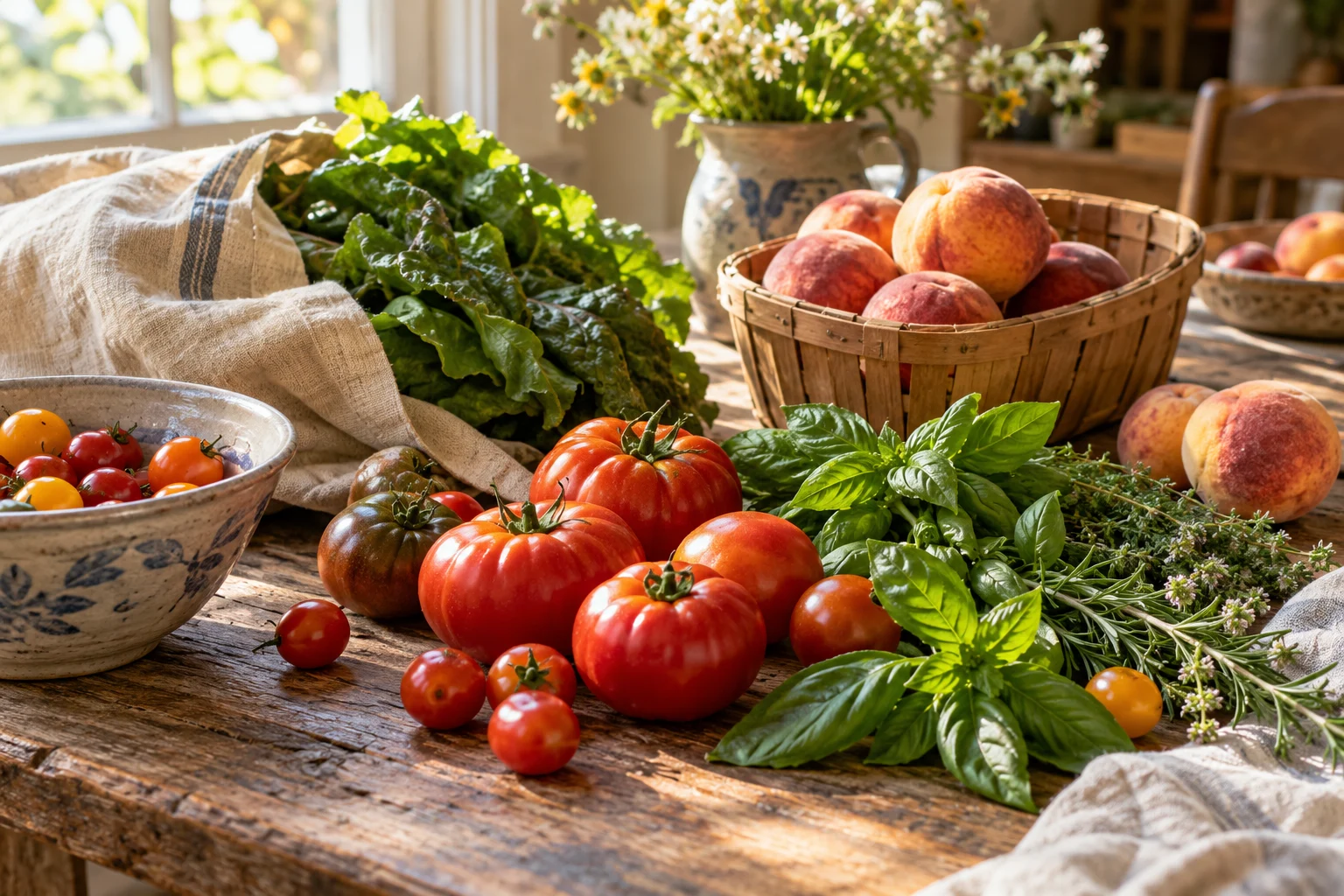
A heavy canvas bag rests on the kitchen counter, filled with the specific items you finally gathered after weeks of postponement. There is a certain satisfaction in the weight of it—the cool skin of heirloom tomatoes, a bundle of fresh basil, and a block of sharp, aged cheese. This basket represents a decision finally executed, yet it also presents a new set of possibilities for the coming days.
The Weight of Choice
Delaying a trip to the market often means your pantry is already partially stocked, which changes how you view new arrivals. You are no longer just buying ingredients; you are managing a collection. The tradeoff lies between the immediate gratification of a single, perfect meal and the foresight required to stretch these fresh finds across several evenings. A basket can be a singular event or a foundation for a week of varied flavors.
For example, if you find yourself with those same tomatoes, basil, and cheese, you might initially envision a heavy, warm pasta dish. However, the same components could just as easily be transformed. You might choose to slice the tomatoes thin for a cold, crisp salad, or perhaps use the cheese and basil to accent a simple toasted sandwich. The decision is not merely about what you want to eat tonight, but how these ingredients will interact with what is already in your cupboards.
Noticing the Details
As you unpack, notice the subtle textures that dictate how you will use each item. Is the basil tender enough for a delicate garnish, or is it sturdy enough to be chopped into a heavier sauce? Are the tomatoes firm and structural, or are they soft and ready for a quick pan-sear? These physical observations guide your culinary direction more effectively than a rigid recipe ever could.
Pay attention to the scents as the bag opens. The aroma of the herbs can signal whether they should be used as a primary flavor or a subtle background note. These sensory cues turn a simple errand into a thoughtful engagement with your kitchen.
Planning the Rotation
When a postponed shopping trip finally occurs, the goal is to integrate the new with the old without letting anything sit idle for too long. Consider the shelf life of your choices. A soft cheese might be the star of a Tuesday appetizer, while a harder variety can wait until Friday to be grated over a grain bowl.
Instead of viewing the basket as a single meal, view it as a kit of parts. Ask yourself which items are most urgent and which can wait to meet the staples you already own. By observing the physical state of your ingredients and weighing them against your existing pantry, you turn a delayed errand into a flexible menu.