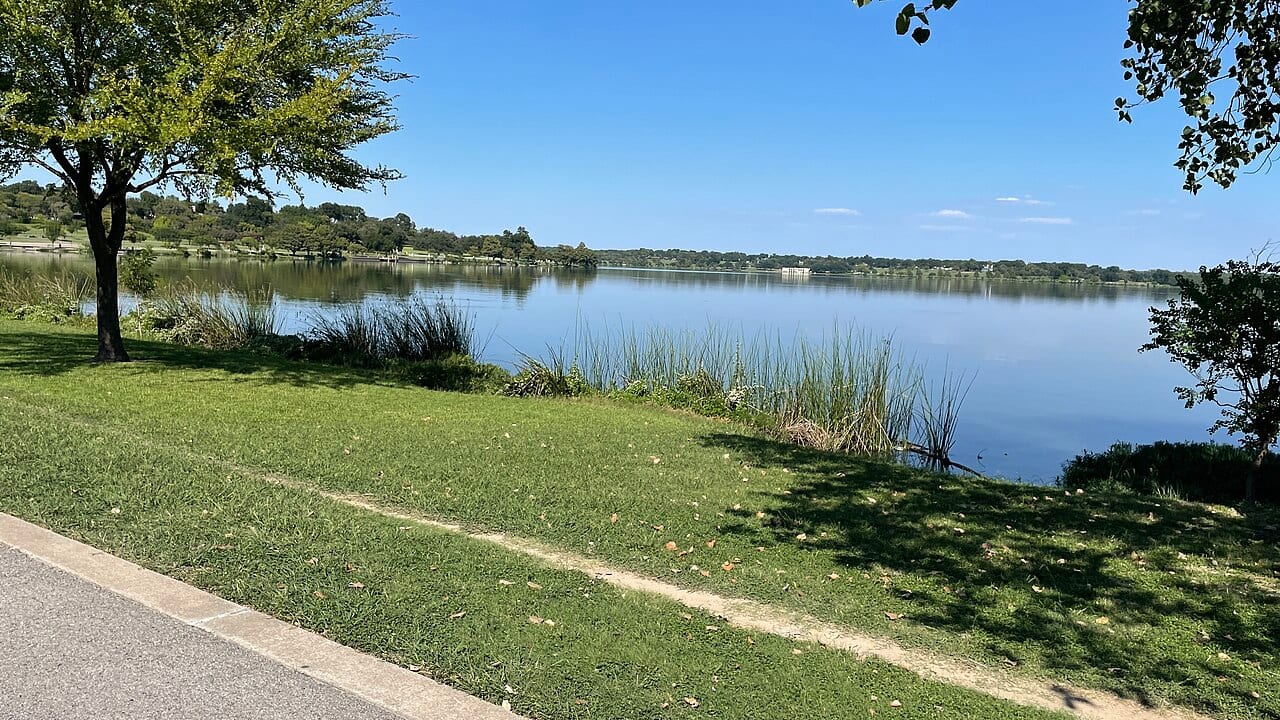
A heavy itinerary can feel like a second job. We often approach a weekend away with a checklist of landmarks, restaurants, and trails, treating our precious time off as a series of tasks to be completed. However, the most restorative trips frequently emerge when a group decides to prioritize a single shared goal while leaving the rest of the schedule intentionally porous.
Finding a Shared North Star
The friction in group travel often stems from mismatched expectations regarding energy levels and access. Some travelers seek the high-intensity engagement of a guided hike or a bustling downtown district, while others may prefer the quiet observation of a lakeside porch or a slow stroll through a botanical garden. Instead of trying to satisfy every conflicting urge, consider selecting one central priority that serves the collective interest.
If the group agrees that the primary objective is enjoying the local landscape, that becomes your anchor. Once that anchor is set, the secondary activities become optional rather than mandatory. This shift changes the group dynamic from a race against the clock to a series of gentle choices. You are no longer failing to meet a schedule; you are simply deciding which direction to drift next.
The Tradeoff of Intentionality
Choosing to leave gaps in your plan involves a distinct tradeoff. You exchange the certainty of a pre-planned experience for the possibility of a spontaneous one. A rigid schedule offers the comfort of knowing exactly where you will be at 2:00 PM on a Saturday, but it removes the ability to react to the environment around you. A loose plan offers more freedom, but it requires a higher tolerance for ambiguity and the occasional moment of indecision.
For example, if a group decides to visit a regional park, you might commit to seeing the main lookout point. Beyond that, the plan remains unwritten. One person might find a shaded bench and spend an hour reading, while another might decide to follow a secondary trail that looks interesting. Because the primary goal was met, the divergence in activity does not feel like a fracture in the group's unity.
Observing the Details
When you are not rushing to reach the next destination, you notice the textures of a place. You see how the light hits the limestone cliffs in the late afternoon or how the air changes as you move from a sun-drenched field into a dense grove of trees. These observations are the quiet rewards of a slower pace. They turn a simple outing into a sensory experience that lingers longer than a checklist of sights.
To make this work, ask your companions which specific type of engagement they find most refreshing. Once you have identified a shared priority, identify the activities that could serve as optional detours. By deciding in advance what is negotiable, you ensure that the weekend remains a period of recovery rather than a series of logistical hurdles.


