A quiet afternoon at a local botanical garden or a stroll through a riverside park offers a welcome change of pace. These spaces provide textures to notice—the way light filters through a canopy or the specific scent of damp earth after a rain. However, the transition between the car, the trailhead, and the destination requires more than just a map. It requires an understanding of the physical handoffs involved in your specific itinerary.
The Mechanics of the Transition
For many, the most critical moment of an outing is not the destination itself, but the movement between points. Consider the logistics of moving from a vehicle to a seating area, or from a parking lot to a shaded pavilion. These transitions involve varying surfaces, inclines, and distances. Rather than assuming a venue is prepared for your specific movement patterns, it is helpful to observe the terrain and ask direct questions about the path ahead.
For example, if you are traveling with an adult companion who requires a seamless handoff—perhaps moving from a driver to a passenger, and then from a vehicle to a walking path—the continuity of that support is paramount. You might ask the venue staff how the transition from the parking area to the primary walking paths is managed. Does the path remain consistent, or are there sudden changes in grade or surface that might interrupt a steady handoff?
Evaluating the Tradeoffs of Space
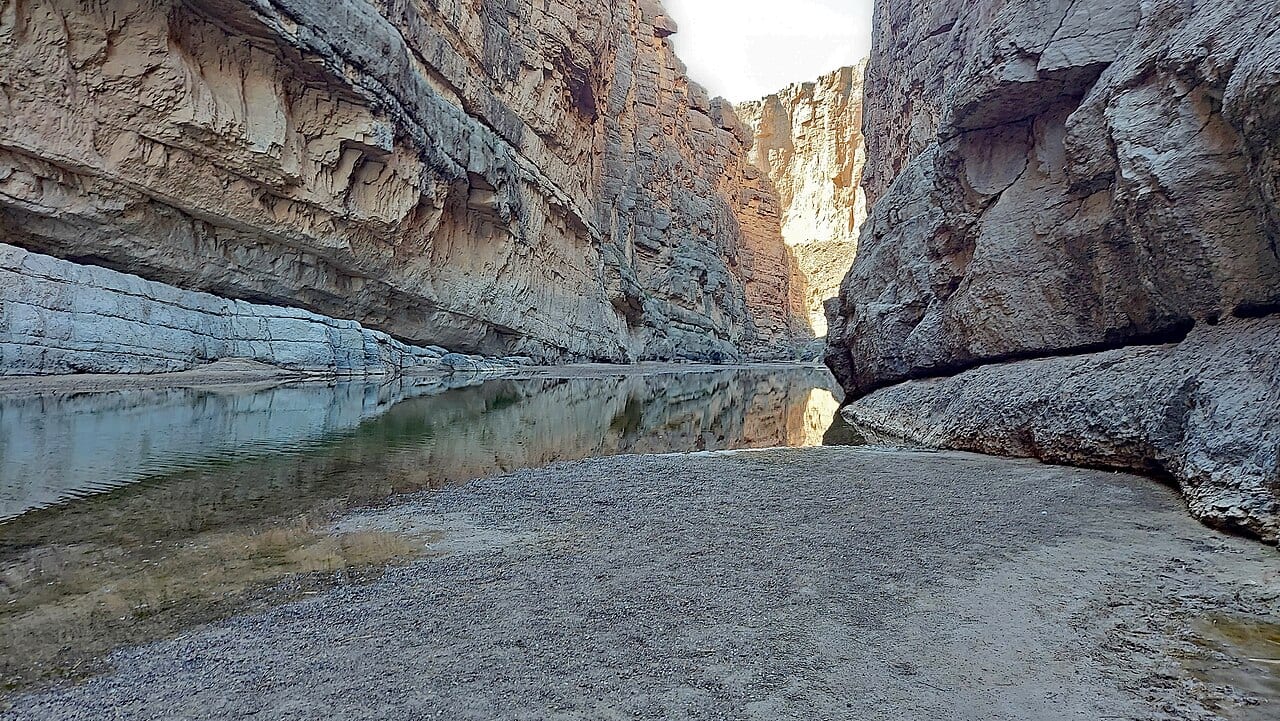
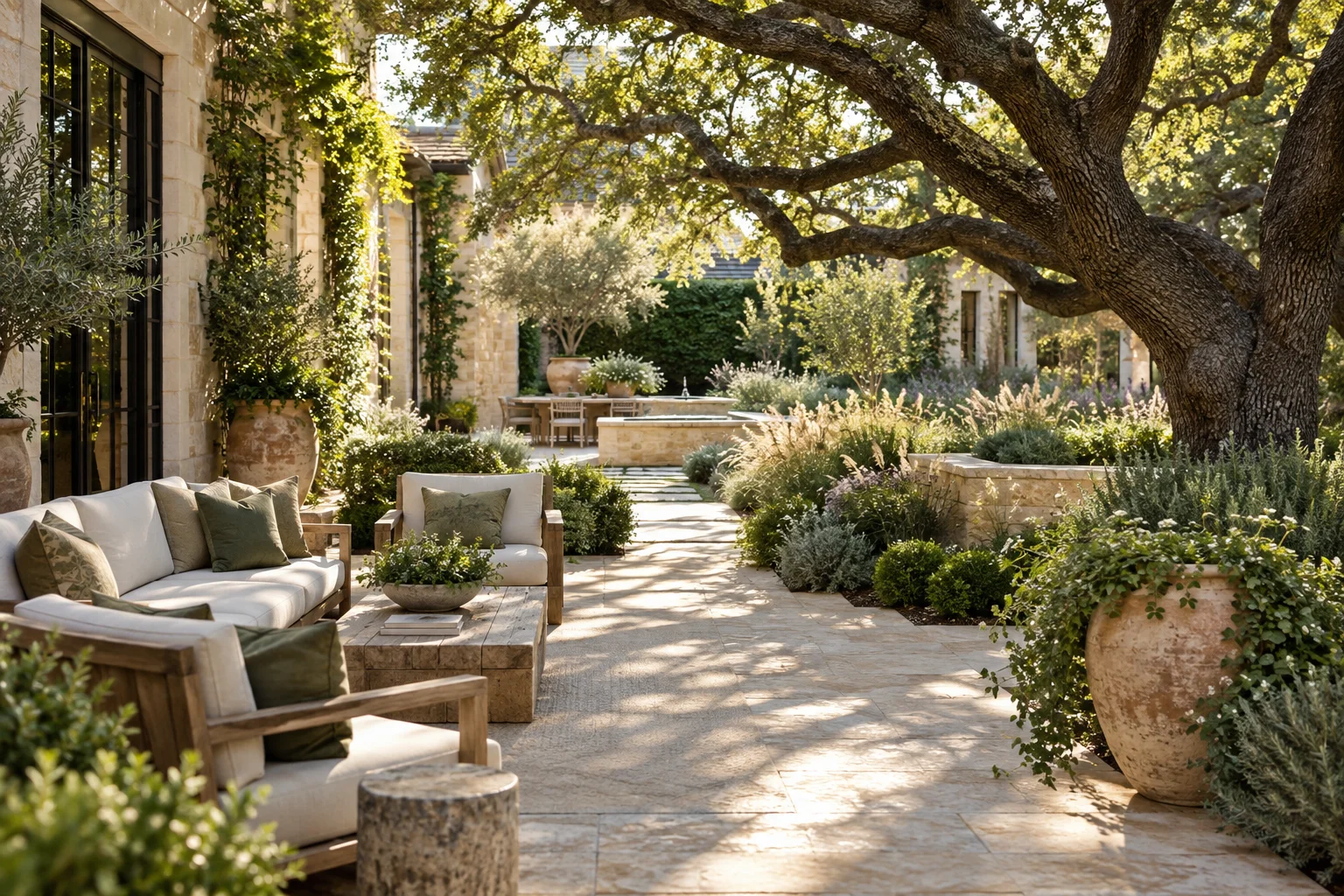
Choosing a location often involves a tradeoff between the breadth of the scenery and the ease of the navigation. A sprawling nature preserve might offer breathtaking vistas, but it may also require navigating long stretches of unpaved ground. Conversely, a highly manicured garden might offer smooth, predictable paths but offer less immersion in the wilder elements of the Texas landscape.
When weighing these options, observe the specific layout provided in venue maps. Look for the distinction between paved walkways and crushed stone or mulch. Ask the site coordinator how the distance between accessible points is measured and whether there are shaded rest areas located at regular intervals along the most popular routes. This allows you to balance the desire for a scenic experience with the necessity of a manageable physical effort.
Verifying the Details Directly
No amount of online imagery can replace a direct inquiry regarding the current state of a location. Conditions change with the seasons and after weather events. Before committing to a specific afternoon, contact the venue to clarify the specifics of your planned route. You might ask if there are any temporary closures or surface changes that could affect your ability to maintain a steady handoff between companions. Confirming these details directly ensures that your focus remains on the scenery and the company, rather than the logistics of the next step.