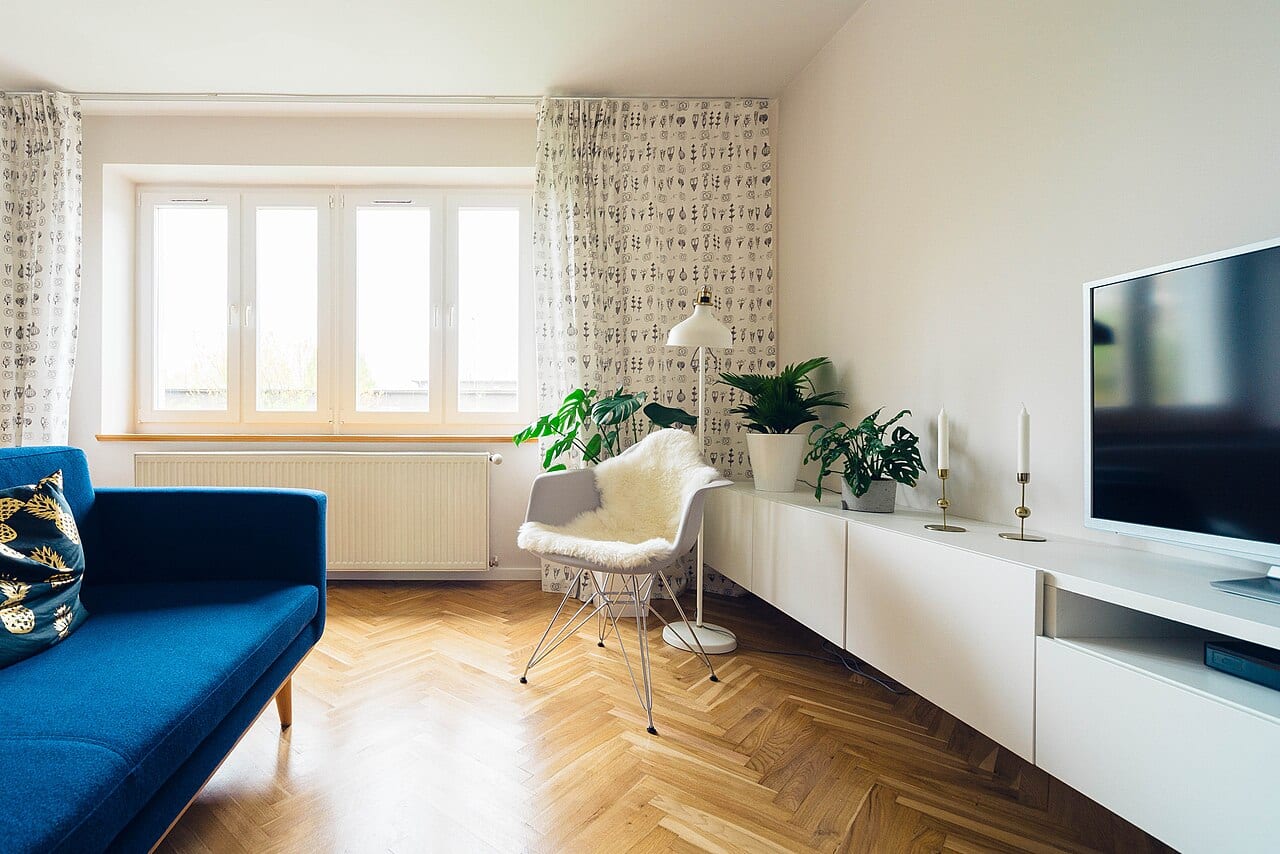
A single room in a rental property often feels like a blank slate, lacking the warmth and character of a permanent residence. When you are tasked with turning a generic space into a functional living area, the challenge lies in adding personality without making any lasting alterations to the walls, floors, or fixtures. This process requires a thoughtful eye for objects that serve a purpose today but can easily transition to a different setting tomorrow.
The Art of Mobile Living
Creating a sense of place often begins with what you can move. Instead of looking for built-in solutions, consider furniture that offers both utility and ease of transport. A sturdy bookshelf can define a reading nook, while a lightweight armchair provides a dedicated spot for relaxation. The goal is to layer textures and colors that reflect your taste, using items that can accompany you to your next residence. This approach avoids the feeling of being anchored to a space that you do not own.
For example, if you are trying to explain your decor choices to a partner who prefers a more traditional, heavy aesthetic, you might point to the benefits of modular pieces. You could show how a slim, metal shelving unit provides ample storage for books and plants without the visual weight of a massive wooden cabinet. This allows you to demonstrate that a room can feel curated and intentional even when the furniture is designed for easy relocation. The tradeoff involves choosing pieces that are perhaps less substantial in appearance but far more versatile for a lifestyle defined by movement.
Managing Personal Belongings
Storage is often the most difficult element to master in a shared or limited space. Without the ability to install custom closets or shelving, you must look toward clever, freestanding alternatives. Decorative trunks can serve as both coffee tables and hidden storage for seasonal items, while hanging organizers can utilize vertical space in a way that remains entirely reversible.
When deciding between a large, singular piece of furniture or several smaller, specialized items, consider the tradeoff of floor space. A large wardrobe might offer more volume, but several smaller chests of drawers might allow for better airflow and a more open feeling in a smaller room. Observe how the light hits the floor throughout the day before deciding where these pieces will sit. A piece that looks beautiful in a showroom may cast a shadow that makes a corner feel cramped in your specific layout.
Communicating with Management
Before you decide to hang artwork, install a new light fixture, or perhaps add a decorative wall decal, it is prudent to check in with the people who oversee the property. Rather than assuming what is permitted, ask the property management how they view specific types of non-permanent updates. You might ask if they have preferences regarding the types of adhesives used for wall hangings or if there are specific guidelines for modifying window treatments. This ensures that your efforts to personalize the room do not lead to unexpected discussions during a move-out inspection.
Ultimately, the decision of how to furnish a rental room is about finding a middle ground between your personal comfort and the constraints of the lease. By selecting versatile, high-quality pieces and maintaining an open dialogue with management, you can create a space that feels deeply personal while remaining entirely adaptable to your future moves. Focus on items that provide immediate utility and aesthetic satisfaction without compromising the integrity of the rental property.
