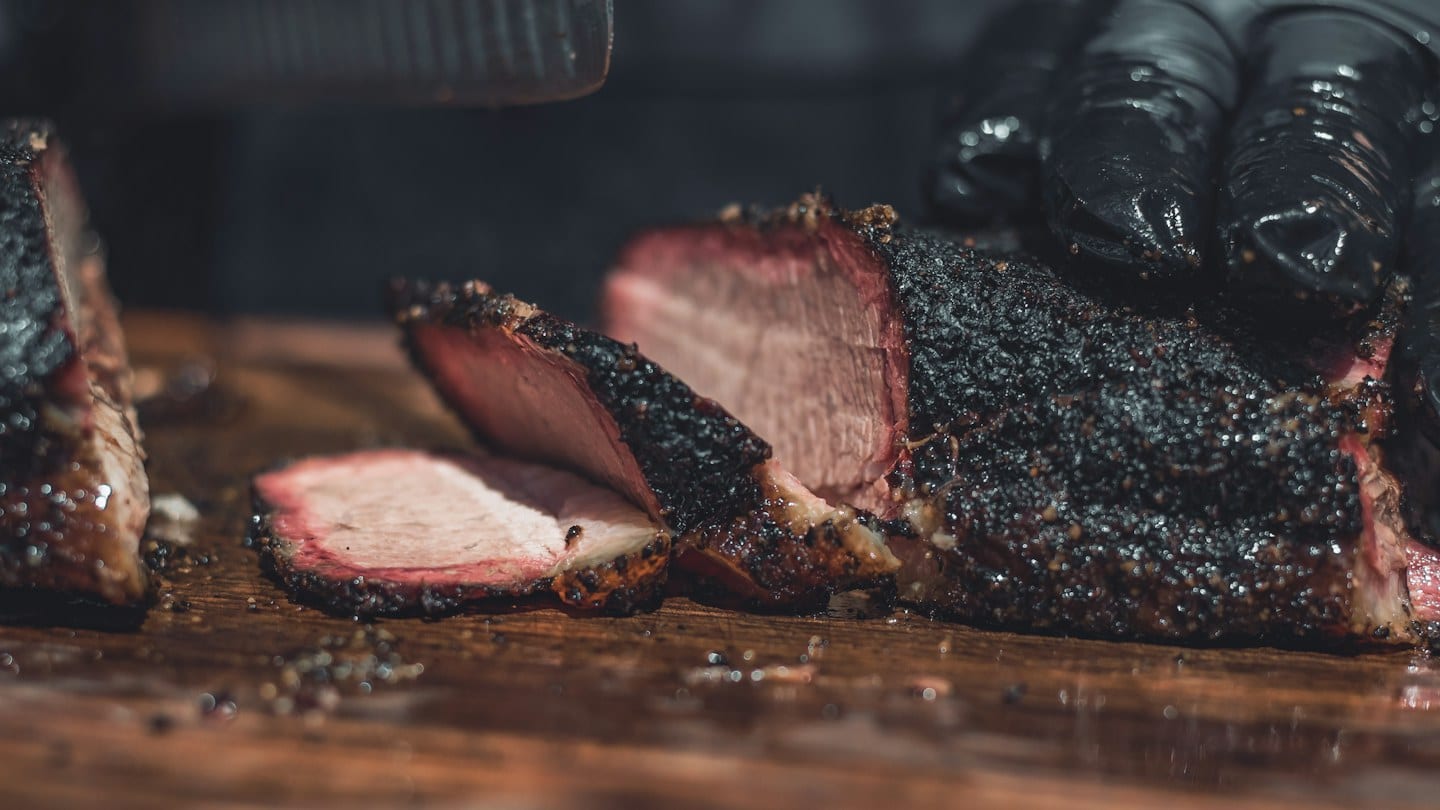
A stack of heavy paper bags sits on the kitchen island, steam curling from the edges of cardboard containers. The aroma of grilled meats, toasted spices, and fresh herbs fills the room, signaling the end of a long day. However, the joy of a shared meal can quickly turn into a logistical puzzle if the order arrives as a disorganized heap of anonymous containers.
The Complexity of Customization
When a group decides to order from a local kitchen, the conversation often centers on what can be left out. One person might prefer a meal without onions, while another wants to skip the spicy sauce. These preferences are the foundation of a satisfying meal, but they require clear communication to ensure the kitchen receives the instructions correctly.
For example, if a group of four is ordering tacos, the decision-making process might involve deciding which toppings are essential and which are optional. One person may want extra lime, while another wants to omit the cilantro entirely. The tradeoff here is between the speed of a simple, uniform order and the satisfaction of a highly customized meal that meets every individual's specific taste.
To manage these nuances, ask the restaurant staff how they handle specific modifications and whether they can clearly mark individual items. If you are ordering a large volume of food, you might ask if they can provide separate containers for different flavor profiles to prevent cross-contamination of ingredients.
Identifying the Individual Plate
Once the bags arrive, the challenge shifts from preference to identification. In the rush of a busy evening, it is easy for a container intended for one person to end up in the hands of another, especially when several orders look nearly identical from the outside. A meal that was meant to be mild might end up being quite hot, leading to immediate disappointment.
To prevent this, consider a system of labeling before the food even leaves the restaurant. You might ask the provider if they can write names directly on the lids or if they use specific colored stickers to denote different types of orders. If they cannot, taking a moment to mark the containers yourself with a permanent marker can save time and frustration during the distribution phase.
Organizing the Shared Spread
The final stage of a successful takeout experience is the transition from bags to the table. Instead of everyone reaching into a central pile, designate a specific area for each person's meal. This prevents the accidental mixing of side dishes and ensures that everyone finds their preferred components immediately.
Before you begin eating, take a moment to observe the layout. Does everyone have the necessary utensils and napkins? Are the sauces placed where they are easily accessible to all? By addressing these small details during the initial setup, you move the focus away from the logistics of the order and toward the actual experience of sharing a meal with your companions.