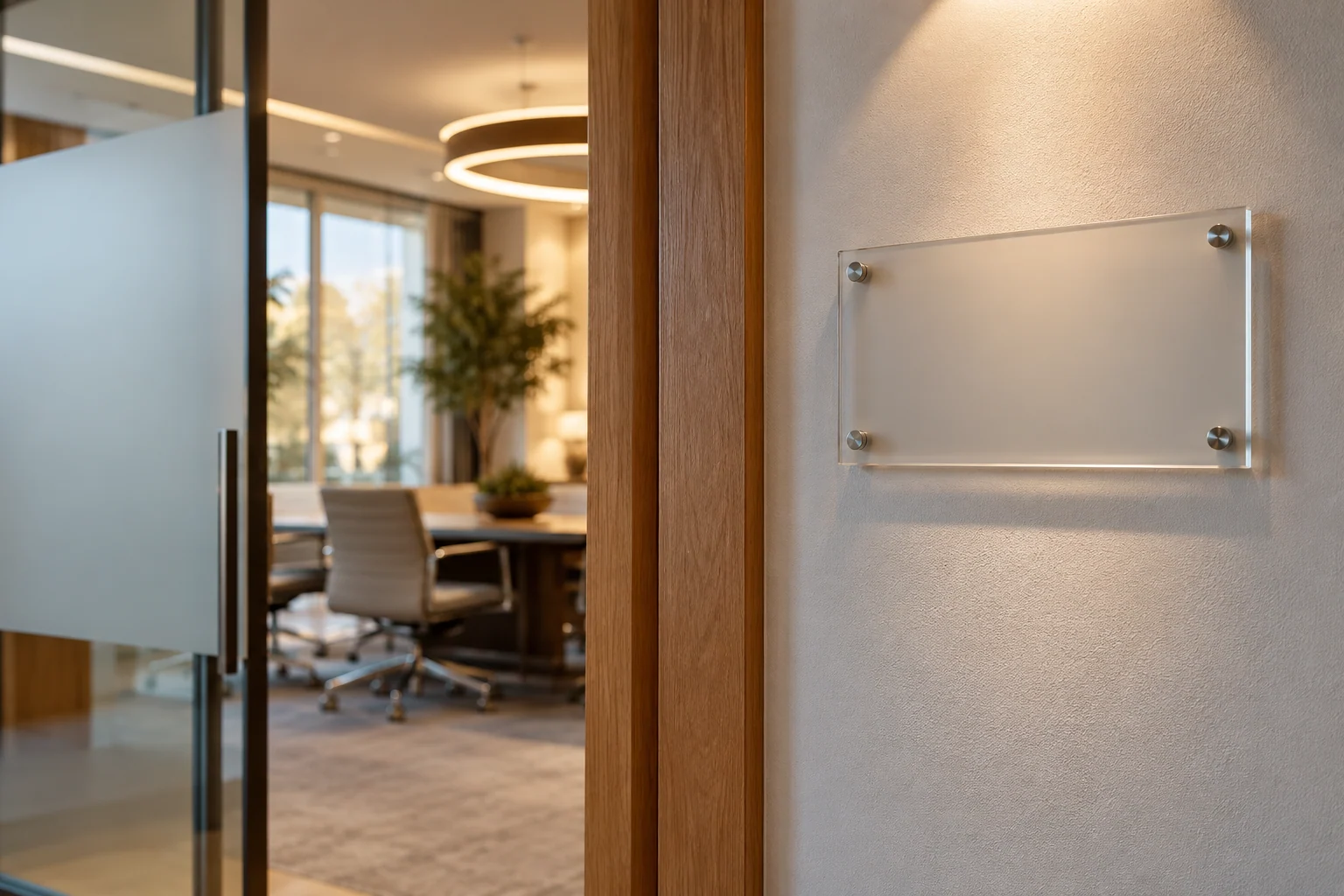
A well-placed sign serves as more than a marker; it acts as a silent communicator that sets the tone for a property. Whether it is a subtle piece of directional guidance or a prominent identifier, the details of its design and placement determine how effectively it reaches its intended audience. Noticing the nuances of local signage—the way light hits a metallic finish or how much space is left around a typeface—can provide a sense of what might work for your own requirements.
Visualizing the Intent
Before approaching a provider, consider the specific purpose of the sign. Is it meant to welcome guests to a private residence, or is it designed to direct visitors through a complex layout? The intended audience dictates the scale and the aesthetic. A sign meant for someone driving past at speed requires different visual cues than one meant for a pedestrian standing inches away. Observe how different materials interact with the Texas sun; some finishes may glare during the afternoon, while others might fade if not chosen with longevity in mind.
Having visual references can bridge the gap between a vague idea and a finished product. If you have photographs of similar styles, textures, or mounting methods that you admire, these can serve as a foundation for your enquiry. They allow you to point to a specific quality rather than relying on descriptors that might be interpreted differently by different people.
Managing Split Logistics
Complexity often arises when a single project must serve multiple locations or different living arrangements. For example, if you are managing the upkeep and identity of two separate households—perhaps one used for regular residence and another for seasonal hosting—the signage needs to remain cohesive without being identical. You may want the aesthetic to feel like part of the same family, yet the scale and mounting requirements for a suburban lot might differ significantly from those of a rural property.
This creates a meaningful tradeoff between uniformity and site-specificity. You could opt for identical signs to ensure a consistent brand or personal style across both homes, or you could choose bespoke designs that respect the unique architecture and surroundings of each individual site. Balancing this desire for a unified look against the practical realities of two different environments requires careful thought.
Refining the Enquiry
When you are ready to discuss your project with a sign professional, move beyond the initial concept to address the logistical hurdles. Ask the provider how your specific design ideas can be realized given the materials you have selected. It is also important to clarify the installation process; ask which approvals might be necessary for the chosen location and who would be responsible for arranging them. By focusing on these practicalities, you ensure that the final sign is not only visually aligned with your vision but is also a permanent, permitted fixture of your property.


