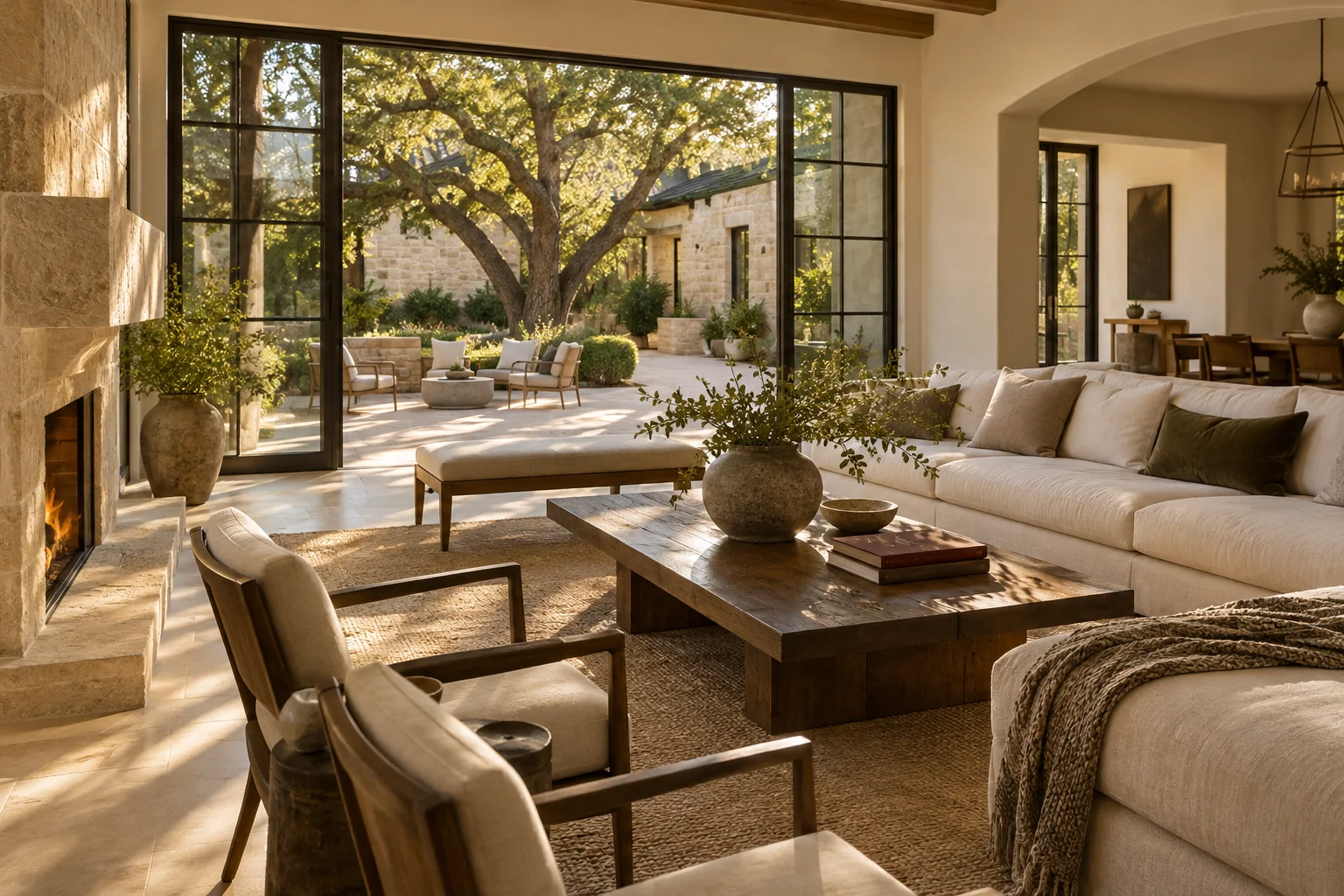
A digital folder full of interior design photographs can feel like a finished plan, but it is often just a collection of moods. When you finally sit down to move forward with a room renovation, those images serve a much larger purpose than mere inspiration. They are the raw material for a conversation that must bridge the gap between what looks good on a screen and what works in your specific living space.
The Art of Annotation
The mistake many homeowners make is presenting a designer with a gallery of pristine rooms and assuming the message is clear. An image of a sun-drenched living room might suggest you want that specific shade of cream, or it might simply mean you value natural light. To make these visuals useful, you must move past the initial visual impact and begin the process of annotation.
Take a moment to look at your saved images through a critical lens. Use a digital tool or even a physical printout to mark exactly what catches your eye. Is it the texture of the rug, the height of the ceiling, or the way the light hits a specific corner? Equally important is noting what you dislike. An image might feature a stunning layout, but perhaps the color palette feels too cold for your taste. Identifying these dislikes prevents a designer from chasing a style that looks beautiful but feels wrong once installed.
Balancing Aesthetics and Utility
A significant tradeoff occurs when choosing between a room's visual impact and its daily utility. A high-concept design might prioritize symmetry and minimalist surfaces, but those same features can be difficult to maintain in a busy household. For example, if you are redesigning a kitchen, an image of seamless, handle-less cabinetry might look sleek, but it may not accommodate the way your family actually interacts with the space during a morning rush.
Imagine you have postponed a dining room renovation for two years. You have a collection of images showing formal, heavy wood tables and velvet chairs. However, as you revisit this decision, you realize your current lifestyle involves more casual breakfasts and laptop work than formal dinner parties. The tradeoff here is between the look of a formal sanctuary and the function of a multi-use space. Your annotated images should reflect this tension, noting where you want to lean into elegance and where you need rugged durability.
Conversations with the Professional
Once you have organized your observations, the next step is the consultation. Rather than asking if a designer can recreate a specific photo, use your notes to prompt deeper discussions about your unique constraints. Ask the professional how the elements in your preferred images can be adapted to the specific dimensions and light patterns of your actual rooms. Inquire about how the materials you admire will hold up against your daily routines and whether the proposed layout accommodates the furniture you intend to keep.
By arriving with a nuanced set of preferences rather than a simple wish list, you transform the design process from a game of imitation into a tailored creation. Your goal is to move from the broad strokes of an inspiration photo to the specific, functional reality of your home.
