This is a paid partner contribution. Commercial relationships are disclosed so readers can distinguish sponsored content from editorial guides.
A new sign can change the way people perceive a storefront or an office suite. Whether you are refreshing a long-standing brand or marking a new location, the process begins long before a single letter is mounted to a wall. Success in these projects often comes down to how well you prepare for the initial conversation with a provider.
Defining the Scope of Work
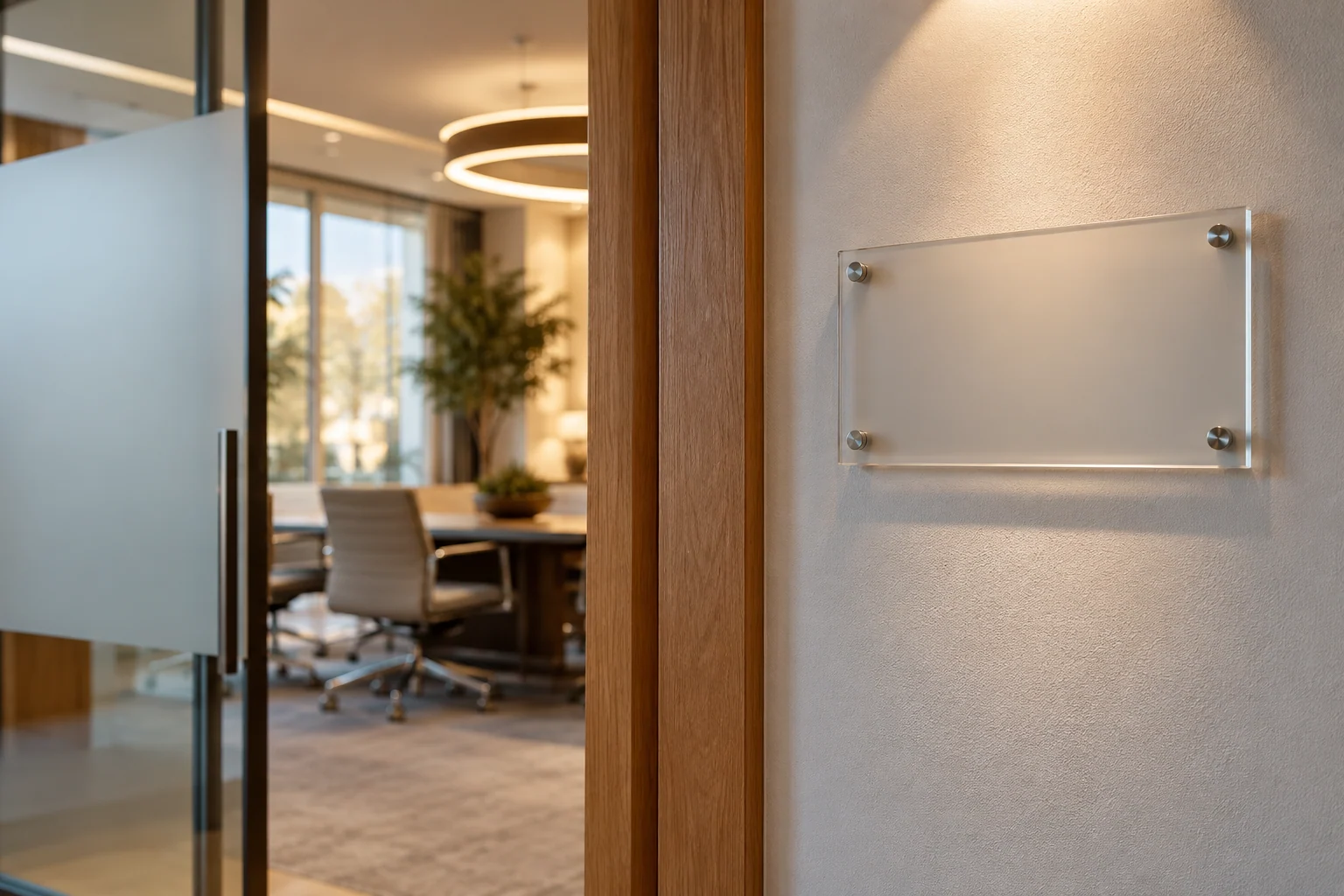
Before reaching out to a south dallas sign company, it is helpful to gather specific details about your environment. A sign that works in a wide-open parking lot may not be suitable for a narrow hallway or a glass entrance. Consider the textures of your walls, the presence of electrical outlets, and the amount of light in the area where the sign will live.
For example, if you are looking to update a suite in a multi-tenant complex, you might face a choice between a lightweight adhesive sign or a more permanent mounted fixture. One option might be easier to apply, while the other could offer more presence. Ask the provider how their recommendations account for the specific materials and lighting conditions you have observed at your site.
Navigating Installation Logistics
The physical placement of signage involves more than just choosing a design. There are practical considerations regarding how a sign is attached and how it will be maintained over time. When installing signs at shopping centers and office buildings in Dallas, the requirements for mounting can vary significantly based on the building's structure.
Prepare a list of questions regarding the physical installation process. You might ask who will handle the actual mounting and what the specific arrangement for labor includes in the provided estimate. It is also useful to ask how the proposed installation method addresses the specific surfaces or architectural features of your building.
Organizing Your Project Details
Having your information organized can make the consultation more efficient. Collect any existing brand guidelines, color preferences, or dimensions of the intended space. If you have photos of the current area or sketches of where you want the new signage to go, these can serve as helpful visual aids during your discussion.
Rather than assuming a standard approach will work for every location, use your consultation to bridge the gap between your vision and the physical reality of your property. Ask the professional how their suggested materials and placement methods align with the specific goals and constraints you have identified for your space. By focusing on these practical details early, you can move forward with a clearer understanding of the work ahead.


