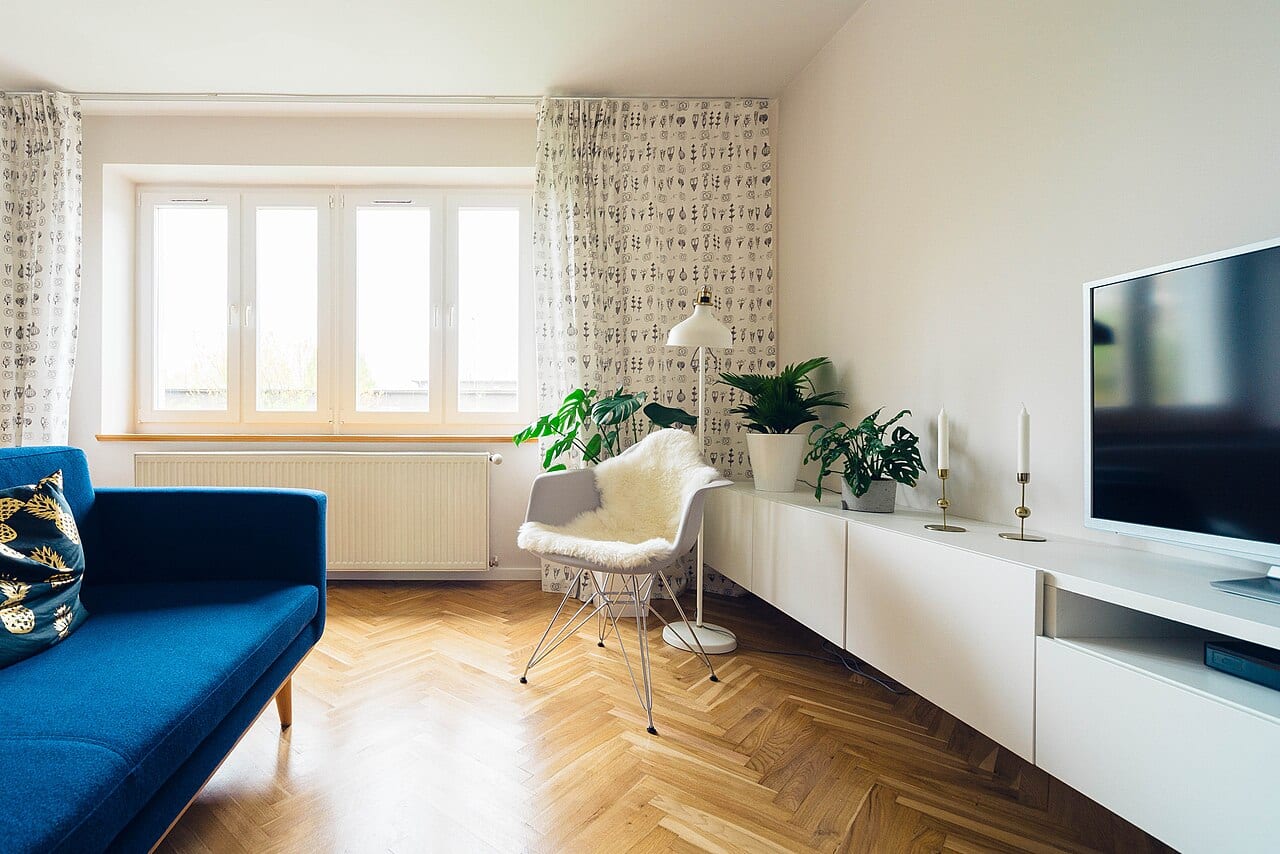
The way sunlight moves through a room can change its entire character from a bright morning sanctuary to a dim, quiet afternoon retreat. When you stand by a window, notice how the glare hits your favorite chair or whether the view from the street feels too exposed. Selecting window treatments is less about following a trend and more about how you intend to inhabit the space.
Observing the Light and the View
Before looking at catalogs, spend time in your rooms at different hours. Pay attention to the specific quality of light. Does a particular window cast a harsh, direct beam across the floor at sunset? Does the light feel soft and diffused, or does it demand heavy shielding to make the room comfortable for reading?
Privacy is another layer of the decision. Consider the proximity of neighbors or the visibility from a sidewalk. You might find that you want a clear view of the garden during the day but require total seclusion once the sun goes down. These observations serve as your guide when you begin to look at different options.
Managing a Shared Decision
Often, home improvements involve a handoff between people. For example, if you are managing a household transition, you might spend weeks researching the perfect aesthetic for a living room, only to hand the final selection process over to a partner or a family member who will be the primary user of that space. This requires a clear communication of your findings. Instead of just handing over a folder of pictures, describe the functional needs you identified: the need for darkness in a nursery, the desire for filtered light in a dining area, or the requirement for easy operation for someone with limited reach.
For instance, if you have determined that the master bedroom needs to stay cool and dark, but your spouse prefers a breezy, open feeling, the tradeoff becomes a central part of the conversation. You are balancing the physical comfort of the room against the visual openness of the home.
Questions for the Specialist
Once you have gathered your observations and discussed the needs of the household, you will likely meet with a supplier. Rather than focusing on technical jargon, focus on the outcomes you want to achieve. You might ask the professional how a specific recommendation addresses the light levels and privacy concerns you noted in your observations.
Consider asking the following to ensure the selection fits your daily life:
- How will this choice affect the way light enters the room during the brightest part of the day?
- What level of visibility will this provide from the outside looking in?
- How easy will it be to adjust these daily?
- Can we see how these options look in a setting similar to my own windows?
The final decision rests on how well the chosen treatment bridges the gap between your aesthetic preferences and the practical realities of your home's layout and light.
